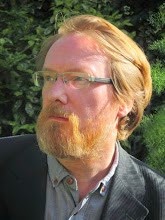
Obviously the fact that Britain has decided it's time to go out bombing again is the bigger news story, but the defection of Mark Reckless to UKIP is still a major problem for David Cameron. It's really not a good look when your own MPs decide to abandon you, particularly on the eve of your conference.
On the other hand, it being the eve of conference means that Cameron has the opportunity next week to make a grand statement against UKIP in an attempt to stop the rot (in all senses).
But there's no point in imagining that dog-whistles on immigration and multiculturalism will be sufficient. That's territory that UKIP are always going to claim as their own. Instead, the real weak link in UKIP's armour is, oddly enough, Europe itself. Most people don't care much about the issue, but some do, they care very much indeed and - from a Conservative perspective - they're a worryingly significant minority. Cameron's offer of a referendum gained him a little time, but by now the UKIP response has clawed back some of the initiative; you can't trust his promises, goes the argument, look at the betrayal over the Lisbon Treaty.
So Cameron should take the opportunity at conference to do the one thing that only he, and not Nigel Farage, can do: announce the exact date on which the referendum will be held.
He's already said that it'll be before the end of 2017, but that's still too vague. There is a round of local elections due on Thursday 4 May 2017. That'd be a good date to choose.
Announce now that, in the event of a Tory, or Tory-led, government, an In/Out referendum will be held on that specific date, and suddenly the airy promise becomes concrete reality. He'd seize the initiative entirely. Every front-page would have a graphic of a calendar showing 4 May 2017. Eurosceptic commentators and Tory backbenchers would be delighted; Europhiles would reluctantly have to accept the concept of democracy.
It would leave Cameron no wriggle-room, of course, but the reality is that he can't afford the luxury of wriggle-room anymore; the UKIP threat is too great. He needs to squash comprehensively the impression that somehow he'll twist and turn and renege on his promise.
For those Tory voters tempted to desert because of Europe, there would no longer be any incentive to their votes elsewhere. Farage isn't, and never will be, able to match such a pledge. As long as it's credible, it would trump any card UKIP can possibly play. Which would leave UKIP to carry on making inroads into the Labour vote, where its appeal isn't rooted in the European issue in the first place.
Obviously there will still be disgruntled Tories, but their real bone of contention is with having a pro-European leader in the first place. And if they want to change that, they need to mount a more efficient challenge. Which they would undoubtedly lose, because there is no plausible Eurosceptic alternative to Cameron, and they've already tried - with Iain Duncan Smith - having an implausible one. Much good that did them.
I'm also fairly certain that in such a referendum, Britain would vote to remain in the EU. And since that's the result the EU would want, it will swiftly get over its cries of outrage and start working to ensure that some concessions - however cosmetic - are made in order to strengthen Cameron's hand.
In the (unlikely) event that Cameron does not emerge from the general election as prime minister, the referendum presumably wouldn't happen. And that in itself would be a nice legacy for Cameron's successor. S/he can still make a big deal of 4 May 2017, using it as a rallying-point against Ed Miliband's by-then beleaguered government. The Day That Democracy Forgot would make a nice slogan.
It'd be a big step for Cameron, who isn't a notably adventurous politician. But things are getting tight and it's time for a bold move. Played right - with sufficient statesmanlike gravitas - it could be decisive. It would lose him no support whatsoever and would bring sufficient numbers of disaffected Tory votes back into the fold to ensure victory in the general election.
Showing posts with label Ed Miliband. Show all posts
Showing posts with label Ed Miliband. Show all posts
Saturday, 27 September 2014

I've got to be a macho man
For the third year running, Ed Miliband delivered his speech to the Labour Party conference this week without notes. This has attracted a great deal of adverse comment, but none more odd than a claim that it was 'macho'. That was the charge laid by both Janet Street-Porter on BBC One's Question Time on Thursday and then again by David Mellor on LBC this morning. 'Very few women would do that,' sneered Mr Street-Porter.
It's difficult to know how to take this. I mean, there are many things one can say about Ed Miliband and about his tenure as Labour leader, but macho? It's not really the first adjective to spring to mind, is it?
In fact, surely one of the attributes that Miliband has going for him is the fact that he so obviously isn't macho. Because there are enough genuinely macho politicians around already and they seldom do us much good. I'm reminded of another Labour leader, Michael Foot, speaking to the conference in 1983, when he mocked David Owen's tough stance on nuclear weapons and quoted the words of Zsa Zsa Gabor: 'Macho isn't mucho.'
Mind you, it's probably not good that Miliband should prompt thoughts of Foot, particularly in 1983. That conference was held in the wake of a general election when Labour secured the support of just 27.6 per cent of the vote, or, to put it another way, just one in five of the registered electorate. That's the back-marker that Miliband has to beat if he's not going to be remembered as the most disastrous Labour leader since George Lansbury.
But anyway Street-Porter is simply wrong, as he so often is. The modern fashion for paperless speeches was established by a woman. Here's an extract from my book A Classless Society:
'Following her character assassination of Michael Howard, [Ann] Widdecombe became shadow health spokesperson and took the 1998 party conference by storm. Speaking without notes, and roaming the stage in a manner that would one day become associated with David Cameron, she earned a huge standing ovation with a speech that combined passion and humour in a way not seen since the great days of Michael Heseltine. Mocking the Labour health minister Tessa Jowell, whose picture appeared thirty-two times in an eighteen-page booklet designed to promote public health policies, Widdecombe shrugged: "Now I could understand it if she had my good looks . . ." She became the Conservative equivalent of John Prescott – the butt of media jokes, but seen by the rank and file membership as their plain-speaking representative at high table.'
It's difficult to know how to take this. I mean, there are many things one can say about Ed Miliband and about his tenure as Labour leader, but macho? It's not really the first adjective to spring to mind, is it?
In fact, surely one of the attributes that Miliband has going for him is the fact that he so obviously isn't macho. Because there are enough genuinely macho politicians around already and they seldom do us much good. I'm reminded of another Labour leader, Michael Foot, speaking to the conference in 1983, when he mocked David Owen's tough stance on nuclear weapons and quoted the words of Zsa Zsa Gabor: 'Macho isn't mucho.'
Mind you, it's probably not good that Miliband should prompt thoughts of Foot, particularly in 1983. That conference was held in the wake of a general election when Labour secured the support of just 27.6 per cent of the vote, or, to put it another way, just one in five of the registered electorate. That's the back-marker that Miliband has to beat if he's not going to be remembered as the most disastrous Labour leader since George Lansbury.
But anyway Street-Porter is simply wrong, as he so often is. The modern fashion for paperless speeches was established by a woman. Here's an extract from my book A Classless Society:
'Following her character assassination of Michael Howard, [Ann] Widdecombe became shadow health spokesperson and took the 1998 party conference by storm. Speaking without notes, and roaming the stage in a manner that would one day become associated with David Cameron, she earned a huge standing ovation with a speech that combined passion and humour in a way not seen since the great days of Michael Heseltine. Mocking the Labour health minister Tessa Jowell, whose picture appeared thirty-two times in an eighteen-page booklet designed to promote public health policies, Widdecombe shrugged: "Now I could understand it if she had my good looks . . ." She became the Conservative equivalent of John Prescott – the butt of media jokes, but seen by the rank and file membership as their plain-speaking representative at high table.'
Monday, 4 August 2014
Remembering stuff
As part of the saturation commemoration of the centenary of Britain's declaration of war against Germany, LBC Radio has asked the main party leaders at Westminster to pen a letter to the Unknown Soldier. The results can be read and (if you have the stomach for it) heard here.
Ed Miliband's contribution to this exercise encapsulates much of what irritates me in modern politics.
It starts with the greeting 'Dear Friend'. Really? The Unknown Soldier is Miliband's friend? Even though the Leader of Her Majesty's Opposition doesn't know who this dead man was, they're still friends?
Miliband goes on to make nervously sure he's ticked all the correct boxes, mentioning troops from 'across the world - from the Indian sub-continent to Africa, from Australia to the Caribbean'. Though you'll notice he manages to avoid saying what all these troops had in common, presumably because he doesn't want to use the word 'Empire'.
And it wasn't just men. There were women on the Western Front too. Indeed the only person named in the message is Edith Cavell. There's even room in a five-paragraph letter to get in a mention of football.
(You can tell he's not really at Tony Blair's level, though; Blair would have managed to get in a reference to those executed for 'cowardice'.)
Finally, we get the lessons that we should learn from the First World War: it's 'a reminder of the brutality of conflict' and a 'warning to those in power to avoid entering into war unless it is absolutely necessary'.
Well, obviously. And let's be entirely fair: Miliband has long said that the invasion of Iraq was wrong, and the greatest achievement of his time as leader has been to prevent Britain - and thereby America - from a military engagement in Syria. (Why he doesn't make more of this, I have no idea.)
But how are we to know whether a war is 'absolutely necessary'? One way to judge Miliband's political thinking might be if he told us whether he thinks the First World War was necessary.
Unfortunately he doesn't have time for that, because his entire attention is on a touchy-feely embrace of the past that focuses on individual experiences (preferably of those who can be categorised as being representative of an oppressed group).
This, of course, is the media treatment of history, and Miliband is merely responding to a challenge laid down by a media organisation. Which is fine. In broad terms, I think the media are entirely justified in their approach. It's probably true that most of the public aren't much interested in the big themes of history, and there's nothing wrong with an account of the past that centres on empathy rather than interpretation.
But Miliband's not just a member of the public. He also (presumably) still thinks he's a potential prime minister. And as such, I expect something a bit more insightful from him. Something that hints at an awareness of the geopolitical implications of 1914-18, for example.
The same mindset is evident in most of his words and actions, in, for example, the way that Labour's main economic attack on the government is that David Cameron doen't 'get' the economic reality experienced by 'hard working families' and 'the most vulnerable in our society'. A potential prime minister should aspire to being more than a sympathetic ear in times of trouble.
Behind this is a real problem, that the media's handling of history is mirrored in its coverage - on our behalf - of current conflicts. The obsession is with getting footage and accounts of the victims of war. All of which tell us nothing more than what we already knew: war is bloody, horrible and destructive. The coverage has an impact, though. Show enough of the suffering and the call will come that something must be done. And we blindly rush in to support the overthrow of governments with little thought of who or what will take their place. Whilst paying sentimental tribute to our 'heroes' in uniform.
Maybe I'm being unfair to Miliband. After all, there was that stand on Syria. And he's far from being alone in Westminster, Broadcasting House or the country more widely. But I want more from him than Blairite emotionalism. I want an alternative, which is supposed to be his job.
Ed Miliband's contribution to this exercise encapsulates much of what irritates me in modern politics.
It starts with the greeting 'Dear Friend'. Really? The Unknown Soldier is Miliband's friend? Even though the Leader of Her Majesty's Opposition doesn't know who this dead man was, they're still friends?
Miliband goes on to make nervously sure he's ticked all the correct boxes, mentioning troops from 'across the world - from the Indian sub-continent to Africa, from Australia to the Caribbean'. Though you'll notice he manages to avoid saying what all these troops had in common, presumably because he doesn't want to use the word 'Empire'.
And it wasn't just men. There were women on the Western Front too. Indeed the only person named in the message is Edith Cavell. There's even room in a five-paragraph letter to get in a mention of football.
(You can tell he's not really at Tony Blair's level, though; Blair would have managed to get in a reference to those executed for 'cowardice'.)
Finally, we get the lessons that we should learn from the First World War: it's 'a reminder of the brutality of conflict' and a 'warning to those in power to avoid entering into war unless it is absolutely necessary'.
Well, obviously. And let's be entirely fair: Miliband has long said that the invasion of Iraq was wrong, and the greatest achievement of his time as leader has been to prevent Britain - and thereby America - from a military engagement in Syria. (Why he doesn't make more of this, I have no idea.)
But how are we to know whether a war is 'absolutely necessary'? One way to judge Miliband's political thinking might be if he told us whether he thinks the First World War was necessary.
Unfortunately he doesn't have time for that, because his entire attention is on a touchy-feely embrace of the past that focuses on individual experiences (preferably of those who can be categorised as being representative of an oppressed group).
This, of course, is the media treatment of history, and Miliband is merely responding to a challenge laid down by a media organisation. Which is fine. In broad terms, I think the media are entirely justified in their approach. It's probably true that most of the public aren't much interested in the big themes of history, and there's nothing wrong with an account of the past that centres on empathy rather than interpretation.
But Miliband's not just a member of the public. He also (presumably) still thinks he's a potential prime minister. And as such, I expect something a bit more insightful from him. Something that hints at an awareness of the geopolitical implications of 1914-18, for example.
The same mindset is evident in most of his words and actions, in, for example, the way that Labour's main economic attack on the government is that David Cameron doen't 'get' the economic reality experienced by 'hard working families' and 'the most vulnerable in our society'. A potential prime minister should aspire to being more than a sympathetic ear in times of trouble.
Behind this is a real problem, that the media's handling of history is mirrored in its coverage - on our behalf - of current conflicts. The obsession is with getting footage and accounts of the victims of war. All of which tell us nothing more than what we already knew: war is bloody, horrible and destructive. The coverage has an impact, though. Show enough of the suffering and the call will come that something must be done. And we blindly rush in to support the overthrow of governments with little thought of who or what will take their place. Whilst paying sentimental tribute to our 'heroes' in uniform.
Maybe I'm being unfair to Miliband. After all, there was that stand on Syria. And he's far from being alone in Westminster, Broadcasting House or the country more widely. But I want more from him than Blairite emotionalism. I want an alternative, which is supposed to be his job.
Tuesday, 13 May 2014
Unsafe in his hands
I've said here before that I've never believed Ed Miliband was capable of winning the next general election. I still don't believe he will. And part of the reason for that belief is contained in his much heralded big speech on the NHS yesterday.
Firstly, it's not a good sign that - a week before European and local elections - Miliband feels the need to scurry back to Labour's comfort zone of the NHS. It's got nothing to do with this round of elections.
And then we come to what we might politely refer to as the substance of his speech. There was the usual flim-flam about how the NHS isn't safe in Tory hands. ('Some of you might remember what it felt like in the 1980s,' he said, as though he were talking to pensioners about the blitz - it wasn't that long ago, for pity's sake.) Then he got on to his concrete proposals, of which there were three:
1) Some old people hurt themselves in falls, but we can prevent this from happening by installing grab-rails in their homes.
2) Under a Labour government, there would be 'a guaranteed GP appointment for all within 48 hours'.
3) There will be a reduction in competition within the NHS, a scaling back of consultancy costs and a repeal of the NHS and Social Care Bill - all of which will save 'at least £100 million'.
So them's the big ideas then. To take them in reverse order:
The budget for the NHS in England alone is roughly £100 billion. The projected savings amount to 0.1 per cent.
It would be nice to see a GP when you actually want to see them, but in my anecdotal experience, no one I know has had any satisfaction from seeing a GP in years. Lord knows what they learn during those long years of study, but over the last decade they seem to have turned into little more than receptionists and the best you can hope for is a referral to someone else. I'd be more impressed by a promise to improve the service that was on offer. Even an assurance that during a consultation your GP looked at you, rather than at a screen, would be a start.
On the other hand, the grab-rail promise is a surefire winner. It's a terrific idea. As good today as it was when Miliband first came up with it two months ago.
So, having abandoned any of the issues that he should be talking about in the run-up to the elections next week, this is the best that Labour can come up with. Truly it's pitiful.
But of course, this isn't the real reason why Miliband won't win a general election. This is just a symptom. The main problem is that ever since, oh about 2010, it's been impossible to see where the new voters were going to come from. Labour hit a level of support in the polls that seemed to stand no chance whatsoever of going up.
Miliband doesn't look even vaguely like a prime minister. He still doesn't even look like the leader of the opposition. To overcome that, he needs to present a really serious alternative, and this ain't it.
Firstly, it's not a good sign that - a week before European and local elections - Miliband feels the need to scurry back to Labour's comfort zone of the NHS. It's got nothing to do with this round of elections.
And then we come to what we might politely refer to as the substance of his speech. There was the usual flim-flam about how the NHS isn't safe in Tory hands. ('Some of you might remember what it felt like in the 1980s,' he said, as though he were talking to pensioners about the blitz - it wasn't that long ago, for pity's sake.) Then he got on to his concrete proposals, of which there were three:
1) Some old people hurt themselves in falls, but we can prevent this from happening by installing grab-rails in their homes.
2) Under a Labour government, there would be 'a guaranteed GP appointment for all within 48 hours'.
3) There will be a reduction in competition within the NHS, a scaling back of consultancy costs and a repeal of the NHS and Social Care Bill - all of which will save 'at least £100 million'.
So them's the big ideas then. To take them in reverse order:
The budget for the NHS in England alone is roughly £100 billion. The projected savings amount to 0.1 per cent.
It would be nice to see a GP when you actually want to see them, but in my anecdotal experience, no one I know has had any satisfaction from seeing a GP in years. Lord knows what they learn during those long years of study, but over the last decade they seem to have turned into little more than receptionists and the best you can hope for is a referral to someone else. I'd be more impressed by a promise to improve the service that was on offer. Even an assurance that during a consultation your GP looked at you, rather than at a screen, would be a start.
On the other hand, the grab-rail promise is a surefire winner. It's a terrific idea. As good today as it was when Miliband first came up with it two months ago.
So, having abandoned any of the issues that he should be talking about in the run-up to the elections next week, this is the best that Labour can come up with. Truly it's pitiful.
But of course, this isn't the real reason why Miliband won't win a general election. This is just a symptom. The main problem is that ever since, oh about 2010, it's been impossible to see where the new voters were going to come from. Labour hit a level of support in the polls that seemed to stand no chance whatsoever of going up.
Miliband doesn't look even vaguely like a prime minister. He still doesn't even look like the leader of the opposition. To overcome that, he needs to present a really serious alternative, and this ain't it.
Wednesday, 2 October 2013
Yet Another Conference Season
That's it, then. The three main parties have done their conferring. And are we any further on?
Well, the Liberal Democrats came and went pretty much without anyone noticing. Which is probably as much as they can hope for at this stage. I still think they're going to do better in the next election than many are currently predicting, but that's not going to be achieved by conferences; it'll be because of the work they put into the constituencies where they're strong.
The Labour conference was dominated entirely by Ed Miliband. His speech managed to avoid mentioning his shadow cabinet colleagues, pretty much avoided the Labour Party entirely, and had nothing to say about a number of issues that some people consider quite important: immigration, for example, and education, and crime...
But he was busy selling himself and he made a decent fist of it. He doesn't look like a prime minister in waiting, doesn't even look much like a convincing leader of the opposition, but he did enough to keep himself in the job. And he saw the Labour Party enjoy a little rise in the polls.
And that's more than David Cameron is going to have achieved with his speech today. He wasn't exactly inspiring, though he did tick all the boxes Miliband ignored: he celebrated his team (George Osborne, Theresa May, Michael Gove, Iain Duncan Smith, William Hague, Boris Johnson all got mentioned) and covered a wide range of policy areas. He also tried to revive his old 'let sunshine win the day' persona. Despite which, he was clunky and unimpressive.
None of this is going to be remembered by the electorate in a month's time, let alone in eighteen months as we head into the election campaign. But it feels to me like Cameron still has the better narrative: Labour screwed up the economy, we're not done fixing it yet, give us the chance to finish the job. Miliband's account - it's only the rich who are benefitting - is strong, but I'm not convinced it's enough.
Meanwhile, in the midst of all the dullness, the most entertaining story by a considerable margin has been the spat between Miliband and the Daily Mail. And I've been enjoying that enormously. It's trivial nonsense, of course, but it's fun. So much so that, for the first time in years, I actually watched Alastair Campbell on television; normally I find myself switching off whenever he makes an appearance.
Just to be clear: both sides are in the wrong. Having made repeated reference to his father, Miliband has no real right to complain when his opponents decide to make the man an issue. And the Daily Mail's interpretation of Ralph Miliband displayed little insight into the subtleties of Marxist thought. Nor did they turn up anything worth reading: a teenage diary-entry and an attack on public schools and Pall Mall clubs isn't exactly conclusive evidence.
What's revealing is where this story is playing big. The Guardian led on it today, while the BBC took it very seriously, all the way down to Radio Five Live having an hour-long phone-in on the subject this morning. Meanwhile, the Daily Telegraph and The Times didn't seem much interested. Which would seem to suggest that everyone realizes that Miliband is likely to be the winner here. There's nothing to be lost from attacking the Mail.
Because the Daily Mail long since overtook the Sun as the favoured target for the left (in the widest sense of that term). And mostly what this conference season has been about is both Labour and Tories trying to shore up their core constituencies: the half-hearted price controls of Miliband, the home-ownership and married couples tax-allowance of Cameron.
At the last election, nearly sixteen million people who were registered to vote decided not to bother. Neither party seems very sanguine about winning over any of those people. Instead they're keen to keep their own supporters on board, calculating that it'll be enough. And maybe it will. After all, in 2005 Tony Blair won an election with the endorsement of barely one-in-five of the electorate.
Well, the Liberal Democrats came and went pretty much without anyone noticing. Which is probably as much as they can hope for at this stage. I still think they're going to do better in the next election than many are currently predicting, but that's not going to be achieved by conferences; it'll be because of the work they put into the constituencies where they're strong.
The Labour conference was dominated entirely by Ed Miliband. His speech managed to avoid mentioning his shadow cabinet colleagues, pretty much avoided the Labour Party entirely, and had nothing to say about a number of issues that some people consider quite important: immigration, for example, and education, and crime...
But he was busy selling himself and he made a decent fist of it. He doesn't look like a prime minister in waiting, doesn't even look much like a convincing leader of the opposition, but he did enough to keep himself in the job. And he saw the Labour Party enjoy a little rise in the polls.
And that's more than David Cameron is going to have achieved with his speech today. He wasn't exactly inspiring, though he did tick all the boxes Miliband ignored: he celebrated his team (George Osborne, Theresa May, Michael Gove, Iain Duncan Smith, William Hague, Boris Johnson all got mentioned) and covered a wide range of policy areas. He also tried to revive his old 'let sunshine win the day' persona. Despite which, he was clunky and unimpressive.
None of this is going to be remembered by the electorate in a month's time, let alone in eighteen months as we head into the election campaign. But it feels to me like Cameron still has the better narrative: Labour screwed up the economy, we're not done fixing it yet, give us the chance to finish the job. Miliband's account - it's only the rich who are benefitting - is strong, but I'm not convinced it's enough.
Meanwhile, in the midst of all the dullness, the most entertaining story by a considerable margin has been the spat between Miliband and the Daily Mail. And I've been enjoying that enormously. It's trivial nonsense, of course, but it's fun. So much so that, for the first time in years, I actually watched Alastair Campbell on television; normally I find myself switching off whenever he makes an appearance.
Just to be clear: both sides are in the wrong. Having made repeated reference to his father, Miliband has no real right to complain when his opponents decide to make the man an issue. And the Daily Mail's interpretation of Ralph Miliband displayed little insight into the subtleties of Marxist thought. Nor did they turn up anything worth reading: a teenage diary-entry and an attack on public schools and Pall Mall clubs isn't exactly conclusive evidence.
What's revealing is where this story is playing big. The Guardian led on it today, while the BBC took it very seriously, all the way down to Radio Five Live having an hour-long phone-in on the subject this morning. Meanwhile, the Daily Telegraph and The Times didn't seem much interested. Which would seem to suggest that everyone realizes that Miliband is likely to be the winner here. There's nothing to be lost from attacking the Mail.
Because the Daily Mail long since overtook the Sun as the favoured target for the left (in the widest sense of that term). And mostly what this conference season has been about is both Labour and Tories trying to shore up their core constituencies: the half-hearted price controls of Miliband, the home-ownership and married couples tax-allowance of Cameron.
At the last election, nearly sixteen million people who were registered to vote decided not to bother. Neither party seems very sanguine about winning over any of those people. Instead they're keen to keep their own supporters on board, calculating that it'll be enough. And maybe it will. After all, in 2005 Tony Blair won an election with the endorsement of barely one-in-five of the electorate.
Tuesday, 20 August 2013
The new Clement Attlee?
David Blunkett was on Today this morning talking about the state of the Labour Party, and he suggested that Ed Miliband's uncharismatic placidity was reminiscent of Clement Attlee. It's a comparison that has been made by others - most notably by Ken Livingstone - and it's easy to see the appeal of such a claim. But does it hold water?
To start with, there are difference of experience between the two men.
Attlee had been an MP for 23 years by the time he got to be prime minister; assuming Miliband wins the next election (which I've never believed), he'll have been an MP for just ten. Attlee had served in the governments of Ramsay MacDonald in the 1920s and '30s, and been deputy prime minister for three years under Winston Churchill; Miliband had less than two years as secretary for energy and climate change under Gordon Brown.
If one were being cruel, one might also add that Attlee saw active service - and was wounded - in the First World War, at an age when Miliband was the junior member of Gordon Brown's inner circle.
But the crucial difference is surely that Attlee was surrounded by a team of big hitters. Miliband can hardly claim the same. Here are perhaps the key members of Attlee's government in 1945, with their modern Labour front-bench counterparts in brackets afterwards:
Chancellor: Hugh Dalton (Ed Balls)
Foreign affairs: Ernest Bevin (Douglas Alexander)
Home affairs: James Chuter Ede (Yvette Cooper)
Health: Aneurin Bevan (Andy Burnham)
Education: Ellen Wilkinson (Stephen Twigg)
Trade: Stafford Cripps (Chuka Umunna)
Commons leader: Herbert Morrison (Angela Eagle)
Fuel and power: Manny Shinwell (Caroline Flint)
Lord chancellor: William Jowitt (Sadiq Khan)
If you were drawing up a dream team from members of Attlee's cabinet and Miliband's shadow cabinet, how many of the latter would you include?
To start with, there are difference of experience between the two men.
Attlee had been an MP for 23 years by the time he got to be prime minister; assuming Miliband wins the next election (which I've never believed), he'll have been an MP for just ten. Attlee had served in the governments of Ramsay MacDonald in the 1920s and '30s, and been deputy prime minister for three years under Winston Churchill; Miliband had less than two years as secretary for energy and climate change under Gordon Brown.
If one were being cruel, one might also add that Attlee saw active service - and was wounded - in the First World War, at an age when Miliband was the junior member of Gordon Brown's inner circle.
But the crucial difference is surely that Attlee was surrounded by a team of big hitters. Miliband can hardly claim the same. Here are perhaps the key members of Attlee's government in 1945, with their modern Labour front-bench counterparts in brackets afterwards:
Chancellor: Hugh Dalton (Ed Balls)
Foreign affairs: Ernest Bevin (Douglas Alexander)
Home affairs: James Chuter Ede (Yvette Cooper)
Health: Aneurin Bevan (Andy Burnham)
Education: Ellen Wilkinson (Stephen Twigg)
Trade: Stafford Cripps (Chuka Umunna)
Commons leader: Herbert Morrison (Angela Eagle)
Fuel and power: Manny Shinwell (Caroline Flint)
Lord chancellor: William Jowitt (Sadiq Khan)
If you were drawing up a dream team from members of Attlee's cabinet and Miliband's shadow cabinet, how many of the latter would you include?
Friday, 21 June 2013
Political class
There's a good article by Steve Richards in the Independent about the way that our leading politicians have concluded that the state should intervene in other countries but stay out of domestic policy. And he rightly identifies this as part of the new consensus that unites Tony Blair and David Cameron and their followers.
Amongst those followers, he refers to a number of journalists: 'The writer Julian Glover gave up a column to work for Cameron. The former Blair adviser Philip Collins became a columnist. Daniel Finkelstein entered the world of commentary from the Conservative Party.' His point is that they all share much the same positions.
But there's another conclusion one might draw. One that would also find room to mention others who have moved between politics and journalism: the likes of Boris Johnson, Michael Gove, Ed Balls, Yvette Cooper, Daniel Hannan, Ed Vaizey... Or, behind the scenes, Steve Hilton (ex-Guardian) and Andy Coulson (ex-News of the World), who used to be so important to Cameron, or Tom Baldwin (ex-Times) and Bob Roberts (ex-Daily Mirror), who are key members of Ed Miliband's inner circle.
In all the media analysis of the political class, the growing covergence between Westminster and Fleet Street tends not to get mentioned as much as perhaps it should be.
Amongst those followers, he refers to a number of journalists: 'The writer Julian Glover gave up a column to work for Cameron. The former Blair adviser Philip Collins became a columnist. Daniel Finkelstein entered the world of commentary from the Conservative Party.' His point is that they all share much the same positions.
But there's another conclusion one might draw. One that would also find room to mention others who have moved between politics and journalism: the likes of Boris Johnson, Michael Gove, Ed Balls, Yvette Cooper, Daniel Hannan, Ed Vaizey... Or, behind the scenes, Steve Hilton (ex-Guardian) and Andy Coulson (ex-News of the World), who used to be so important to Cameron, or Tom Baldwin (ex-Times) and Bob Roberts (ex-Daily Mirror), who are key members of Ed Miliband's inner circle.
In all the media analysis of the political class, the growing covergence between Westminster and Fleet Street tends not to get mentioned as much as perhaps it should be.
Sunday, 14 October 2012
Another conference season
That's it, then, is it? All the party conferences over and done with. Did anyone in the real world notice?
I read some commentators claiming that Ed Miliband's speech was 'a game-changer', and then some others (though not so many) making the same claim for David Cameron.
Just in case it's not entirely obvious: neither of those things is true. Nothing happened.
For the Liberal Democrats, that's okay. Only bad stuff was ever a possibility, so no news was about as good as it was going to get.
For Labour, Miliband still doesn't look like a serious candidate to be prime minister. And all that stuff about 'one-nation Labour', haven't we heard that before? Yes we have, back in 1995 when John Prescott launched exactly the same slogan at the Labour conference. So Miliband is seeking to overcome the Blairite-Brownite legacy by outing himself as a Prescottian. There's progress for you.
But since purloining slogans is the sum total of modern political oratory, Cameron responded by declaring himself in favour of 'privilege for all', in the same way that Tony Blair used to talk about 'excellence for all'. Both cases insult the English language and the intelligence of the electorate in equal measure.
The truth is that this isn't a time for new policies. Politics itself is in suspended animation, waiting to see how long it will be before there's a genuine economic recovery (which is not the same as a set of quarterly figures showing a 0.2 per cent growth in GDP).
Is there any point to these conferences? They don't even get to the end of the week anymore, as though even they can't be bothered to make the effort. Nor is anyone else interested. Question Time last week got straight on to the real news story of the week: Jimmy Savile.
(Just in passing, there was a campaigner on the wireless last week arguing that those charged with underage sex shouldn't have a jury trial, because ordinary people don't understand the complexities of paedophile psychology. Instead he called for the equivalent of Diplock courts.)
Now that it's clear that the conferences are a waste of time, can't we save on the cost of televising and policing them? Let's have done with the pretence and adopt the American model of each party having just one big whooping rally in election year. We could fill up the television time with a three-week snooker tournament. In which case, I think my money would be on Nick Clegg.
I read some commentators claiming that Ed Miliband's speech was 'a game-changer', and then some others (though not so many) making the same claim for David Cameron.
Just in case it's not entirely obvious: neither of those things is true. Nothing happened.
For the Liberal Democrats, that's okay. Only bad stuff was ever a possibility, so no news was about as good as it was going to get.
For Labour, Miliband still doesn't look like a serious candidate to be prime minister. And all that stuff about 'one-nation Labour', haven't we heard that before? Yes we have, back in 1995 when John Prescott launched exactly the same slogan at the Labour conference. So Miliband is seeking to overcome the Blairite-Brownite legacy by outing himself as a Prescottian. There's progress for you.
But since purloining slogans is the sum total of modern political oratory, Cameron responded by declaring himself in favour of 'privilege for all', in the same way that Tony Blair used to talk about 'excellence for all'. Both cases insult the English language and the intelligence of the electorate in equal measure.
The truth is that this isn't a time for new policies. Politics itself is in suspended animation, waiting to see how long it will be before there's a genuine economic recovery (which is not the same as a set of quarterly figures showing a 0.2 per cent growth in GDP).
Is there any point to these conferences? They don't even get to the end of the week anymore, as though even they can't be bothered to make the effort. Nor is anyone else interested. Question Time last week got straight on to the real news story of the week: Jimmy Savile.
(Just in passing, there was a campaigner on the wireless last week arguing that those charged with underage sex shouldn't have a jury trial, because ordinary people don't understand the complexities of paedophile psychology. Instead he called for the equivalent of Diplock courts.)
Now that it's clear that the conferences are a waste of time, can't we save on the cost of televising and policing them? Let's have done with the pretence and adopt the American model of each party having just one big whooping rally in election year. We could fill up the television time with a three-week snooker tournament. In which case, I think my money would be on Nick Clegg.
Wednesday, 28 March 2012
The missing generation of British politics
I’ve had a couple of people query the statistics listed in the Appendix to my e-book Things Can Only Get Bitter.
The point I’m trying to make in the book is that there’s a missing political generation, that startlingly few people born between 1955 and 1964 ever reached the highest ranks in political life. And that this is particularly surprising since it was such a numerous generation, the largest in British history.
But there’s a suggestion that by focusing only on the four big offices of state, I may be distorting the data.
So I’ve tried to make up a list of every cabinet minister since the 1945 election. This may be slightly inaccurate, since some cabinet posts come and go or get merged with other departments. But I’m sure that this is broadly right – certainly I’ve not deliberately cheated.
And this is the statistical breakdown for cabinet ministers, grouped by the decade in which they were born:
1905-14:- 43
1915-24:- 35
1935-34:- 38
1935-44:- 31
1945-54:- 46
1955-64:- 15
1965-74:- 20
I think that supports my argument. There is always going to be some fluctuation, but those of us born in 1955-64 have produced fewer than half the number of cabinet ministers recorded in any previous generation. And we've already been overtaken by the next tranche – the Cameron-Clegg-Miliband generation.
In other words, the phenomenon is as notable as when the four big offices of state are considered.
The point stands: I spent a couple of decades in a country run by politicians older than I was, and then suddenly they were younger than me. At no point did my generation enjoy any pre-eminence.
Which is not intended as a complaint or a whinge. Just an observation.
And Things Can Only Get Bitter is an attempt to explore and explain the curious incident of the dog in the night-time: what happened to the generation that didn’t bark?
The point I’m trying to make in the book is that there’s a missing political generation, that startlingly few people born between 1955 and 1964 ever reached the highest ranks in political life. And that this is particularly surprising since it was such a numerous generation, the largest in British history.
But there’s a suggestion that by focusing only on the four big offices of state, I may be distorting the data.
So I’ve tried to make up a list of every cabinet minister since the 1945 election. This may be slightly inaccurate, since some cabinet posts come and go or get merged with other departments. But I’m sure that this is broadly right – certainly I’ve not deliberately cheated.
And this is the statistical breakdown for cabinet ministers, grouped by the decade in which they were born:
1905-14:- 43
1915-24:- 35
1935-34:- 38
1935-44:- 31
1945-54:- 46
1955-64:- 15
1965-74:- 20
I think that supports my argument. There is always going to be some fluctuation, but those of us born in 1955-64 have produced fewer than half the number of cabinet ministers recorded in any previous generation. And we've already been overtaken by the next tranche – the Cameron-Clegg-Miliband generation.
In other words, the phenomenon is as notable as when the four big offices of state are considered.
The point stands: I spent a couple of decades in a country run by politicians older than I was, and then suddenly they were younger than me. At no point did my generation enjoy any pre-eminence.
Which is not intended as a complaint or a whinge. Just an observation.
And Things Can Only Get Bitter is an attempt to explore and explain the curious incident of the dog in the night-time: what happened to the generation that didn’t bark?
Monday, 5 March 2012
All thro' the House..
It's always slightly worrying when one finds oneself agreeing with Charles Moore, but his article in yesterday's Daily Telegraph does have a point: the NHS really isn't very good, is it?
It's not the worst of the public services - the police clearly have that position sewn up - but, despite all the ritual praise from politicians and broadcasters, for whom it can do no wrong, it's not 'fantastic' at all. Given a choice, I'd rather fall ill in Germany or in France than in England.
Whether the government's reforms will make any difference, I have no idea (nor, indeed, much faith). What I do know is that unquestioningly to defend the status quo means accepting a health service that isn't as good as it should be. It is also an act of political cowardice. And it's the position the Labour Party appears to be adopting.
In this case, it's even more cowardly, of course, because it's obvious that, were there a Labour government, it would itself be busily reforming away. So Ed Miliband keeps quiet about his own opinions, and instead spends his time every week at prime minister's questions delivering a list of professional bodies who don't agree with the government.
Those bodies can speak for themselves, and do frequently. It's not Miliband's job to act simply as the mouthpiece for GPs. It is his job, as leader of the Labour Party, to convince the country that he has some thoughts of his own. Preferably Labour ones.
The benefit of silence is that it allows voters to read into your lack of expressed intention whatever they want. At the moment, this means that Miliband sounds like he's shares the public mood: sentimental loyalty to a system that no other country seems to be rushing to copy. But at some point, he needs to come up with something more substantial.
Doesn't seem very likely, though. It's political opportunism gone mad, I tell you.
It's not the worst of the public services - the police clearly have that position sewn up - but, despite all the ritual praise from politicians and broadcasters, for whom it can do no wrong, it's not 'fantastic' at all. Given a choice, I'd rather fall ill in Germany or in France than in England.
Whether the government's reforms will make any difference, I have no idea (nor, indeed, much faith). What I do know is that unquestioningly to defend the status quo means accepting a health service that isn't as good as it should be. It is also an act of political cowardice. And it's the position the Labour Party appears to be adopting.
In this case, it's even more cowardly, of course, because it's obvious that, were there a Labour government, it would itself be busily reforming away. So Ed Miliband keeps quiet about his own opinions, and instead spends his time every week at prime minister's questions delivering a list of professional bodies who don't agree with the government.
Those bodies can speak for themselves, and do frequently. It's not Miliband's job to act simply as the mouthpiece for GPs. It is his job, as leader of the Labour Party, to convince the country that he has some thoughts of his own. Preferably Labour ones.
The benefit of silence is that it allows voters to read into your lack of expressed intention whatever they want. At the moment, this means that Miliband sounds like he's shares the public mood: sentimental loyalty to a system that no other country seems to be rushing to copy. But at some point, he needs to come up with something more substantial.
Doesn't seem very likely, though. It's political opportunism gone mad, I tell you.
Wednesday, 30 November 2011
Flashman
Watching Prime Minister's Questions this afternoon, I was struck again by the way that Ed Balls shouts 'Flashman' at David Cameron whenever the prime minister makes a personal attack on Ed Miliband.
There's nothing wrong, of course, with the privately educated Balls (Nottingham Boys School) suggesting that Cameron (Eton) might give the impression of being a public school bully, picking on poor little Miliband (Haverstock Comprehensive).
But it does make me wonder where this righteous class anger was back in the days when Tony Blair (Fettes) was having a go at a succession of state-educated Tory leaders: John Major (Rutlish Grammar), William Hague (Wath-upon-Dearne Comprehensive), Iain Duncan Smith (St Peter's Secondary) and Michael Howard (Llanelli Grammar).
There's nothing wrong, of course, with the privately educated Balls (Nottingham Boys School) suggesting that Cameron (Eton) might give the impression of being a public school bully, picking on poor little Miliband (Haverstock Comprehensive).
But it does make me wonder where this righteous class anger was back in the days when Tony Blair (Fettes) was having a go at a succession of state-educated Tory leaders: John Major (Rutlish Grammar), William Hague (Wath-upon-Dearne Comprehensive), Iain Duncan Smith (St Peter's Secondary) and Michael Howard (Llanelli Grammar).
Saturday, 29 October 2011
Further to my last post...
The Dimbleby-hosted Any Questions on BBC radio lives these days somewhat in the shadow of the Dimbleby-hosted Question Time on BBC television. It's an impression that's hardly dispelled by the way they seem to share the same booking policy.
So last night's programme featured a panel comprising a Tory MP, an ex-Tory MP turned journalist and a Lib Dem MP. Oh, and there was a Labour MP as well.
Again there's that feeling that political debate in the country is concentrated almost exclusively within the coalition and their fellow-travellers. The Labour Party continues to look marginal at best.
And perhaps there's a pattern emerging with Labour's choice of panellists. On Question Time it was the 39-year-old Gloria de Piero, already a member of Ed Miliband's shadow team barely a year after her election. On Any Questions it was the 32-year-old Rachel Reeves, already a member of Ed Miliband's shadow team barely a year after her election.
Neither has any political weight or status at this stage, but maybe that's the point. These are the potential stars of the next parliament being given a chance to get a bit of exposure and experience. The unmistakable impression, however, is that Labour's given up on the idea of opposition for the immediate future and is building for the world after the next election.
So last night's programme featured a panel comprising a Tory MP, an ex-Tory MP turned journalist and a Lib Dem MP. Oh, and there was a Labour MP as well.
Again there's that feeling that political debate in the country is concentrated almost exclusively within the coalition and their fellow-travellers. The Labour Party continues to look marginal at best.
And perhaps there's a pattern emerging with Labour's choice of panellists. On Question Time it was the 39-year-old Gloria de Piero, already a member of Ed Miliband's shadow team barely a year after her election. On Any Questions it was the 32-year-old Rachel Reeves, already a member of Ed Miliband's shadow team barely a year after her election.
Neither has any political weight or status at this stage, but maybe that's the point. These are the potential stars of the next parliament being given a chance to get a bit of exposure and experience. The unmistakable impression, however, is that Labour's given up on the idea of opposition for the immediate future and is building for the world after the next election.
Thursday, 27 October 2011
The Man Who Wasn't There
As I was going up the stairs
I saw a man who wasn’t there;
He wasn’t there again today...
While the usual suspects on the Eurosceptic right (Simon Heffer, Norman Tebbit et al) continued to demonstrate that they haven't quite got the hang of this coalition business, and as the government took its collective sledgehammer to some backbench nuts, there was a missing voice in the coverage of this week's debate about a possible EU referendum.
It happened again on the BBC's Question Time this evening. The panel comprised a Tory cabinet minister, a Tory peer, a Lib Dem and the leader of the UKIP. Oh, and there was a Labour MP as well. But she had nothing to say.
Where exactly is the Labour Party these days? I know that it had problems after the election, when Gordon Brown disappeared in a puff of sulk and the media decided that the coalition was a much more interesting story, but that was last year. It really should be making a bit more of the running by now.
Admittedly Labour is ahead in the opinion polls. But not by much. And the gap was wider during the summer (six to eight percentage points) than it has been over the last month or so (three to five points). Or to put it another way, the party was doing better when all the politicians were on holiday and there was an absence of debate.
Which does seem to be the problem. It feels as though Labour has a lead in the polls simply because they exist and aren't in the government. And as long as no one listens to a word they say, they'll stumble along as a protest option. But while the government is obviously unpopular - how could it not be? - that's not going to be enough.
Around this stage of the first government of Margaret Thatcher, when she was also pursuing unpopular economic policies, the Labour Party was touching 50 per cent in the polls, not the 40 to 42 per cent that it's stuck on now. Even in the early days of Michael Foot's leadership, the party had a massive lead in the polls.
The truth is that polls at this point aren't of any significance. What's important is trying to seize some kind of control of the agenda. And Ed Miliband's Labour Party is doing nothing of the kind.
I saw a man who wasn’t there;
He wasn’t there again today...
While the usual suspects on the Eurosceptic right (Simon Heffer, Norman Tebbit et al) continued to demonstrate that they haven't quite got the hang of this coalition business, and as the government took its collective sledgehammer to some backbench nuts, there was a missing voice in the coverage of this week's debate about a possible EU referendum.
It happened again on the BBC's Question Time this evening. The panel comprised a Tory cabinet minister, a Tory peer, a Lib Dem and the leader of the UKIP. Oh, and there was a Labour MP as well. But she had nothing to say.
Where exactly is the Labour Party these days? I know that it had problems after the election, when Gordon Brown disappeared in a puff of sulk and the media decided that the coalition was a much more interesting story, but that was last year. It really should be making a bit more of the running by now.
Admittedly Labour is ahead in the opinion polls. But not by much. And the gap was wider during the summer (six to eight percentage points) than it has been over the last month or so (three to five points). Or to put it another way, the party was doing better when all the politicians were on holiday and there was an absence of debate.
Which does seem to be the problem. It feels as though Labour has a lead in the polls simply because they exist and aren't in the government. And as long as no one listens to a word they say, they'll stumble along as a protest option. But while the government is obviously unpopular - how could it not be? - that's not going to be enough.
Around this stage of the first government of Margaret Thatcher, when she was also pursuing unpopular economic policies, the Labour Party was touching 50 per cent in the polls, not the 40 to 42 per cent that it's stuck on now. Even in the early days of Michael Foot's leadership, the party had a massive lead in the polls.
The truth is that polls at this point aren't of any significance. What's important is trying to seize some kind of control of the agenda. And Ed Miliband's Labour Party is doing nothing of the kind.
Friday, 7 October 2011
And so we say farewell to conference season
The second half of September and into the start of October used to be one of my favoutite times of the year. This was party conference season and I could, and did, happily watch every minute on television. Even the Conservative conference had political debates that would occasionally sprawl off in odd and unpredictable directions and embarrass the leadership.
But this was thirty years ago. Hard to care so much these days, when all the conferences are little more than a succession of identikit politicians trying to slip a speech - honed and buffed beyond individuality - in between the video presentations.
So what did we learn from this year's conference? Well, nothing. Obviously.
But what will we take away from them, what will linger in the memory? Precious little. Maybe the fact that a section of the Labour conference booed the name of the party's former leader Tony Blair, leaving Ed Miliband looking bewildered and unable to think of a response. Maybe the fact that David Cameron's speech didn't even manage to attract enough people to fill the hall.
But if we're honest, the only thing that's going to be truly difficult to forget is Sarah Teather's stand-up comedy routine at the Lib dem conference, of which this is but a brief glimpse. A mercifully brief glimpse.
But this was thirty years ago. Hard to care so much these days, when all the conferences are little more than a succession of identikit politicians trying to slip a speech - honed and buffed beyond individuality - in between the video presentations.
So what did we learn from this year's conference? Well, nothing. Obviously.
But what will we take away from them, what will linger in the memory? Precious little. Maybe the fact that a section of the Labour conference booed the name of the party's former leader Tony Blair, leaving Ed Miliband looking bewildered and unable to think of a response. Maybe the fact that David Cameron's speech didn't even manage to attract enough people to fill the hall.
But if we're honest, the only thing that's going to be truly difficult to forget is Sarah Teather's stand-up comedy routine at the Lib dem conference, of which this is but a brief glimpse. A mercifully brief glimpse.
Tuesday, 27 September 2011
A horse is a horse, of course, of course
All the talk leading up to Ed Miliband's speech to the Labour conference was about how much the party ought to apologize for the mistakes of the last government.
Miliband did apologize. For Labour's policy in the 1980s. The party shouldn't have opposed the reforms of Margaret Thatcher in terms of council house sales, cuts in income tax and trade union legislation. This came after his opening words, which had invoked the memory of the 1985 Bournemouth conference, when the then leader, Neil Kinnock, had attacked the left-wing council in Liverpool.
It was all a bit odd, this harking back a quarter of a century to a time when Miliband himself was still looking at his A-level options. Apart from anything else, wasn't this what the whole of New Labour had been about? The very existence of Tony Blair was an apology for the 1980s Labour Party.
Presumably we're supposed to take from this that, although he accepts some elements of the Thatcherite legacy, he's rejecting the political morality of the era: the veneration of big business and the City.
It's not very convincing, though it may yet become so. Because there's so little to underpin it.
The policies that have emerged so far this week have been busily ceding ground to the Conservatives. Miliband says that Labour would have a maximum of £6,000 a year student tuition fees: so he accepts the idea of doubling fees from the level at which a Labour government left them, but not a tripling. And if the current government doesn't reduce the deficit, then the next Labour government will. Meanwhile Ed Balls calls for a 'temporary' cut in VAT, thereby accepting in principle the level of 20 per cent introduced by the Coalition.
The Labour Party is looking dangerously as though its policy pitch is that they're just like the Tories, only not quite as much. Ho hum.
And still Miliband doesn't look strong enough to deliver a line like 'I'm my own man' without sounding like a studious teenager, anxious to be taken seriously.
Miliband did apologize. For Labour's policy in the 1980s. The party shouldn't have opposed the reforms of Margaret Thatcher in terms of council house sales, cuts in income tax and trade union legislation. This came after his opening words, which had invoked the memory of the 1985 Bournemouth conference, when the then leader, Neil Kinnock, had attacked the left-wing council in Liverpool.
It was all a bit odd, this harking back a quarter of a century to a time when Miliband himself was still looking at his A-level options. Apart from anything else, wasn't this what the whole of New Labour had been about? The very existence of Tony Blair was an apology for the 1980s Labour Party.
Presumably we're supposed to take from this that, although he accepts some elements of the Thatcherite legacy, he's rejecting the political morality of the era: the veneration of big business and the City.
It's not very convincing, though it may yet become so. Because there's so little to underpin it.
The policies that have emerged so far this week have been busily ceding ground to the Conservatives. Miliband says that Labour would have a maximum of £6,000 a year student tuition fees: so he accepts the idea of doubling fees from the level at which a Labour government left them, but not a tripling. And if the current government doesn't reduce the deficit, then the next Labour government will. Meanwhile Ed Balls calls for a 'temporary' cut in VAT, thereby accepting in principle the level of 20 per cent introduced by the Coalition.
The Labour Party is looking dangerously as though its policy pitch is that they're just like the Tories, only not quite as much. Ho hum.
And still Miliband doesn't look strong enough to deliver a line like 'I'm my own man' without sounding like a studious teenager, anxious to be taken seriously.
Wednesday, 17 August 2011
(Not) Book Burning
For ten days the nation has watched horrified as a lawless mob has run riot in all corners of the media, ransacking history, looting sociological and political theories, and jumping every bandwagon that passes. What motivates this lost generation of would-be opinion-formers? Is it a desire to find meaning in their deprived lives? Or simply opportunistic sloganeering?
There's nothing like a few nights of civil disorder to bring out politicians and commentators in their true colours. Explanations for the street violence of last week have ranged from Ken Livingstone's shameless electioneering through to David Starkey's denunciation of Jamaican patois. David Cameron talks of a 'slow motion moral collapse' (surely not long before he blames it on the liberal 1960s), while Ed Miliband suggests that - in the absence of any ideas of his own - we should listen to the people.
My own favourite interpretation came courtesy of a 16-year-old girl from Moss Side in Manchester, who was interviewed on Radio Five Live on Sunday morning. She had no doubt that it was all down to the government cuts: there is apparently nothing for young people to do these days, now that the councils are closing down youth centres and libraries.
Libraries? Oh yes. And perhaps that explains one of the curious features of the looting: the way that every major shopping chain got hit with the notable exception of Waterstone's. Some had argued that this omission reflected the fact that the mobs included a large number of the functionally illiterate. Others - of a more positive frame of mind - believed that the rioters were of the Kindle-generation and had no time for conventional bookstores.
But now it turns out to be simply a reverence for the printed word. Nurtured by public libraries, even the most violent of our youth have no wish to inflict damage on the repositories of civilisation.
There's nothing like a few nights of civil disorder to bring out politicians and commentators in their true colours. Explanations for the street violence of last week have ranged from Ken Livingstone's shameless electioneering through to David Starkey's denunciation of Jamaican patois. David Cameron talks of a 'slow motion moral collapse' (surely not long before he blames it on the liberal 1960s), while Ed Miliband suggests that - in the absence of any ideas of his own - we should listen to the people.
My own favourite interpretation came courtesy of a 16-year-old girl from Moss Side in Manchester, who was interviewed on Radio Five Live on Sunday morning. She had no doubt that it was all down to the government cuts: there is apparently nothing for young people to do these days, now that the councils are closing down youth centres and libraries.
Libraries? Oh yes. And perhaps that explains one of the curious features of the looting: the way that every major shopping chain got hit with the notable exception of Waterstone's. Some had argued that this omission reflected the fact that the mobs included a large number of the functionally illiterate. Others - of a more positive frame of mind - believed that the rioters were of the Kindle-generation and had no time for conventional bookstores.
But now it turns out to be simply a reverence for the printed word. Nurtured by public libraries, even the most violent of our youth have no wish to inflict damage on the repositories of civilisation.
Thursday, 11 August 2011
Idling
This afternoon I watched most of the House of Commons debate on the civil disorder earlier in the week. I'm not sure we got very far - lots of indignation and few concrete proposals. Which is just as well really: the Commons isn't the place for instant wisdom, and as a country we're probably better off with MPs offering platitudes than policies at this stage.
But there's something a bit odd about watching a procession of Labour MPs demanding that the government reverse its proposed cuts to police funding. This, of course, echoes the policy pursued by Margaret Thatcher in her early years; while all other expenditure was squeezed, police pay was increased, an approach that paid dividends when her government wanted tough action taken against dissent.
There's nothing inherently wrong with the Labour Party stealing Tory clothes, if it seems appropriate, but there's a pattern emerging with this and other Labour arguments over the last twelve months: a straightforward objection to any cuts to any area of public spending. And that's reminiscent of another aspect of the 1980s. The Labour Party back then exhausted itself with defending the status quo in the face of Thatcherite reforms, opposing each and every government policy until such time as it proved to be popular. In the process the party managed to look both hidebound and opportunistic at the same time.
Worryingly, it looks as though Ed Miliband is pursuing the same course. And I suspect it'll have the same limited effect. Anyone who's come into contact with, say, their local council over the last decade knows that public services haven't exactly been perfect. Similarly the performance of the police this week - before the cuts - hasn't been spectacularly effective.
There is surely scope for advocating some change, without having to accept the Tories' options. At the moment, David Cameron's accusation, directed this afternoon against a backbench Labour MP, of being 'intellectually idle' seems all too accurate.
But there's something a bit odd about watching a procession of Labour MPs demanding that the government reverse its proposed cuts to police funding. This, of course, echoes the policy pursued by Margaret Thatcher in her early years; while all other expenditure was squeezed, police pay was increased, an approach that paid dividends when her government wanted tough action taken against dissent.
There's nothing inherently wrong with the Labour Party stealing Tory clothes, if it seems appropriate, but there's a pattern emerging with this and other Labour arguments over the last twelve months: a straightforward objection to any cuts to any area of public spending. And that's reminiscent of another aspect of the 1980s. The Labour Party back then exhausted itself with defending the status quo in the face of Thatcherite reforms, opposing each and every government policy until such time as it proved to be popular. In the process the party managed to look both hidebound and opportunistic at the same time.
Worryingly, it looks as though Ed Miliband is pursuing the same course. And I suspect it'll have the same limited effect. Anyone who's come into contact with, say, their local council over the last decade knows that public services haven't exactly been perfect. Similarly the performance of the police this week - before the cuts - hasn't been spectacularly effective.
There is surely scope for advocating some change, without having to accept the Tories' options. At the moment, David Cameron's accusation, directed this afternoon against a backbench Labour MP, of being 'intellectually idle' seems all too accurate.
Tuesday, 19 July 2011
Crying Wolf
A fortnight into the Great Phone-Hacking Scandal of 2011, and I can't help feeling that Ed Miliband is still missing his moment.
Obviously he's managed to raise his profile and improve his reputation. He's done enough to ensure that there won't be any whispering about leadership challenges during the autumn conference season. But there's still no distance between him and the bad bits of the New Labour legacy. Indeed the clumsy contributions of his mentor, Gordon Brown, last week only served to remind us all of the continuities with the past.
We've had a whole fortnight of righteous indignation, and I'm not convinced that Miliband has read the public mood properly.
As far as I can tell, there was genuine revulsion in the first couple of days, when the stories of hacking into the phones of murder victims and dead soldiers first emerged. But the closure of the News of the World changed things. Now it feels like the public are simply enjoying a great soap opera - the tone is mostly one of gleeful fascination with the decline of Rupert Murdoch and his associates. I'm not sure that there's the political anger in the country that Miliband seems to assume. It may yet come, but there will need to be further revelations to relight that fire.
And there will be more revelations. There's a long way to go. Things will calm down after Murdoch's appearance before the select committee this afternoon and the Commons debate tomorrow, but this is a story that's going to run and run. My suspicion is that Miliband would have done better to have kept some of his powder dry for the battles to come - he's in danger of looking like the boy who cried 'wolf'.
This was a good time for a little humility, to prepare the ground for relaunching the Labour Party as an alternative government. Just to concentrate on attacking David Cameron isn't sufficient. Let's hope that the parliamentary closed season will give time for a more considered approach.
Obviously he's managed to raise his profile and improve his reputation. He's done enough to ensure that there won't be any whispering about leadership challenges during the autumn conference season. But there's still no distance between him and the bad bits of the New Labour legacy. Indeed the clumsy contributions of his mentor, Gordon Brown, last week only served to remind us all of the continuities with the past.
We've had a whole fortnight of righteous indignation, and I'm not convinced that Miliband has read the public mood properly.
As far as I can tell, there was genuine revulsion in the first couple of days, when the stories of hacking into the phones of murder victims and dead soldiers first emerged. But the closure of the News of the World changed things. Now it feels like the public are simply enjoying a great soap opera - the tone is mostly one of gleeful fascination with the decline of Rupert Murdoch and his associates. I'm not sure that there's the political anger in the country that Miliband seems to assume. It may yet come, but there will need to be further revelations to relight that fire.
And there will be more revelations. There's a long way to go. Things will calm down after Murdoch's appearance before the select committee this afternoon and the Commons debate tomorrow, but this is a story that's going to run and run. My suspicion is that Miliband would have done better to have kept some of his powder dry for the battles to come - he's in danger of looking like the boy who cried 'wolf'.
This was a good time for a little humility, to prepare the ground for relaunching the Labour Party as an alternative government. Just to concentrate on attacking David Cameron isn't sufficient. Let's hope that the parliamentary closed season will give time for a more considered approach.
Tuesday, 12 July 2011
Of Babies and Bathwater
When the leaderships of all the major political parties decide to agree on something, it generally means that they're up to no good. The British system isn't very good at consensus and - with the exception of bombing other countries - unanimity is normally reserved for responding to a media moral panic. The result is all too often an attack on civil liberties and/or badly formulated policy.
It's not very inspiring, therefore, to learn that the Coalition government is planning to line up with the opposition tomorrow in a debate about News Corporation and BSkyB. David Cameron may have been left in a no-win situation, with little alternative but to share a voting lobby with Ed Miliband, but even so it doesn't augur well.
Nor does the fact that both men are said to have expressed their sympathies with Gordon Brown, who has complained about being the target of intrusive investigations by the Sunday Times and the Sun. Presumably their concern is intended to be seen as outrage at the unwarranted coverage of the medical condition of Brown's child, but that wasn't his only beef. He also objected to the use of private investigators - 'known criminals' - using underhand means to look into his financial affairs.
Whether or not Brown's allegations are accurate, you can see why Cameron and Miliband might similarly object to such practices. But the electorate should be suspicious of a political class that rushes to such single-minded condemnation.
The press are perfectly entitled to investigate the finances of those who hold such high office. Our complaint shouldn't be that journalists seek such information, but that they don't do so nearly often enough.
We all assume that the Daily Telegraph strayed into some slightly dubious territory when revealing the expenses claims of MPs, and most of us seemed perfectly comfortable with that. There were, though, those who weren't comfortable. And now they're trying to find some common ground on which they can join forces and demand changes in media behaviour. The cases of murder victims, dead soldiers and politicians' children shouldn't be allowed to serve as cover for gagging the press.
It's not beyond the wit of politicians to find a way of curbing immoral excesses and intrusions into private lives without preventing investigative journalism. But it may well be beyond their will.
It's not very inspiring, therefore, to learn that the Coalition government is planning to line up with the opposition tomorrow in a debate about News Corporation and BSkyB. David Cameron may have been left in a no-win situation, with little alternative but to share a voting lobby with Ed Miliband, but even so it doesn't augur well.
Nor does the fact that both men are said to have expressed their sympathies with Gordon Brown, who has complained about being the target of intrusive investigations by the Sunday Times and the Sun. Presumably their concern is intended to be seen as outrage at the unwarranted coverage of the medical condition of Brown's child, but that wasn't his only beef. He also objected to the use of private investigators - 'known criminals' - using underhand means to look into his financial affairs.
Whether or not Brown's allegations are accurate, you can see why Cameron and Miliband might similarly object to such practices. But the electorate should be suspicious of a political class that rushes to such single-minded condemnation.
The press are perfectly entitled to investigate the finances of those who hold such high office. Our complaint shouldn't be that journalists seek such information, but that they don't do so nearly often enough.
We all assume that the Daily Telegraph strayed into some slightly dubious territory when revealing the expenses claims of MPs, and most of us seemed perfectly comfortable with that. There were, though, those who weren't comfortable. And now they're trying to find some common ground on which they can join forces and demand changes in media behaviour. The cases of murder victims, dead soldiers and politicians' children shouldn't be allowed to serve as cover for gagging the press.
It's not beyond the wit of politicians to find a way of curbing immoral excesses and intrusions into private lives without preventing investigative journalism. But it may well be beyond their will.
Friday, 8 July 2011
Ed Miliband's Clause IV moment
Along with everyone else who follows the Westminster soap opera, I've been deeply unconvinced over the last nine months by Labour's new leading man. Ed Miliband was - to be generous - only the third best candidate in the leadership election last year, and he's been going downhill ever since he won.
For far too much of the time he's looked solemn beyond his years, akin to the 12-year-old Jesus discussing theology with the elders in the Temple: 'all that heard him were astonished at his understanding and answers'. Except that what would have been considered precocious wisdom in a schoolboy looks like immaturity in a man in his forties.
But the News of the World story this week has caused him to up his game considerably. He was impressive at prime minister's questions and he's kept the pressure on David Cameron for the last couple of days.
And yet I can't help feeling that he's not making full use of the opportunity. Cameron's press conference this morning showed again what a competent operator he is. Miliband can damage him with the Andy Coulson and Rebekah Brooks connexions, but at this stage of the parliament, such wounds aren't going to be fatal. And possibly they're not going to be very long lasting.
Miliband should really go beyond simple attack mode and seize the moment to make a decisive break with the excesses of New Labour's past. During Tony Blair's period in office the press, politicians and financial institutions displayed a contempt for morality, and even legality, as they reached new levels of arrogant, irresponsible behaviour that have brought all into disrepute and sent some to jail. The gap between rulers and ruled became uncomfortably and dangerously wide, and , while the Labour government may not have caused all the problems, it certainly did nothing to solve them, and its negligence (at best) made them worse.
Of course Miliband was involved in that government. But only in a junior capacity. He's young enough that he can present himself as a fresh start, but to do so he has to wash his hands publicly of the past. Just as Blair jettisoned Labour history with the rewrite of Clause IV, so Miliband can now shed the embarrassing and unpopular parts of New Labour history. One of the things that most irritated the electorate about Blair was his refusal to apologise - there would be something rather refreshing if Miliband were now to say sorry for the things that went wrong.
Above all, he'd look much more secure on the moral high ground if he could present himself as a repentant sinner.
For far too much of the time he's looked solemn beyond his years, akin to the 12-year-old Jesus discussing theology with the elders in the Temple: 'all that heard him were astonished at his understanding and answers'. Except that what would have been considered precocious wisdom in a schoolboy looks like immaturity in a man in his forties.
But the News of the World story this week has caused him to up his game considerably. He was impressive at prime minister's questions and he's kept the pressure on David Cameron for the last couple of days.
And yet I can't help feeling that he's not making full use of the opportunity. Cameron's press conference this morning showed again what a competent operator he is. Miliband can damage him with the Andy Coulson and Rebekah Brooks connexions, but at this stage of the parliament, such wounds aren't going to be fatal. And possibly they're not going to be very long lasting.
Miliband should really go beyond simple attack mode and seize the moment to make a decisive break with the excesses of New Labour's past. During Tony Blair's period in office the press, politicians and financial institutions displayed a contempt for morality, and even legality, as they reached new levels of arrogant, irresponsible behaviour that have brought all into disrepute and sent some to jail. The gap between rulers and ruled became uncomfortably and dangerously wide, and , while the Labour government may not have caused all the problems, it certainly did nothing to solve them, and its negligence (at best) made them worse.
Of course Miliband was involved in that government. But only in a junior capacity. He's young enough that he can present himself as a fresh start, but to do so he has to wash his hands publicly of the past. Just as Blair jettisoned Labour history with the rewrite of Clause IV, so Miliband can now shed the embarrassing and unpopular parts of New Labour history. One of the things that most irritated the electorate about Blair was his refusal to apologise - there would be something rather refreshing if Miliband were now to say sorry for the things that went wrong.
Above all, he'd look much more secure on the moral high ground if he could present himself as a repentant sinner.
Subscribe to:
Posts (Atom)